
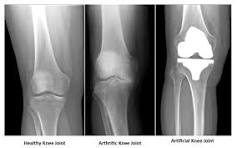
A knee replacement is brutal but it does have an amusing side
How it all begins
Whether it’s sport related or just ageing, knee pain usually starts innocently enough: a mild twinge, the occasional sharp pain, and a subtle limp. You try to pass off as “nothing serious, and decide the answer is to build stronger support muscle, at the gym.
It is a noble plan, but unfortunately, despite your best efforts, the pain ramps up, the gym becomes less of a fitness destination and more of a monthly direct debit you resent, and before long you are avoiding the leg press, the exercise bike, and just about anything involving knees — which, annoyingly, is most things.
Diagnosis and specialist advice
Eventually, you drag yourself off to the GP, who confirms it is osteoarthritis. It is reassuring to finally have a name for it, but slightly less reassuring to hear that even with physiotherapy and more exercises, things are likely to keep heading downhill. At that point, seeing a specialist starts to sound less like an option and more like your next unavoidable life event.
Choosing a specialist often happens through the time-honoured referral system known as “a friend of a friend whose cousin had one done and swears it changed their life.” Once you are in the room, though, there is a certain inevitability about the whole process. Orthopaedic surgeons rarely lean back and say, “No, I think you should just limp heroically for another decade.”
My specialist, to inspire confidence, told me he had performed well over a thousand knee replacements. Impressive, certainly, although it briefly raised the possibility that I was less a unique individual and more Tuesday at 10:30. To be fair, the care was professional, kind, and very reassuring.
Insurance and preparation
This is also the moment to take a long, hard look at your health insurance. Make absolutely sure your cover includes joint replacement. If it doesn’t, the private hospital route can cost more than $20,000, which is an expensive way to discover a policy exclusion.
Public hospital may exist in theory, but when your knee has begun filing formal complaints every time you stand up, the wait list can feel like a cruel social experiment.
Once the specialist has spoken and the date is locked in, you suddenly find yourself buried under brochures, forms, instructions, cost breakdowns, pre-op advice, post-op advice, and enough reading material to make it feel as though you are sitting finals in knee studies.
Naturally, once home, you consult Doctor Google to double-check everything and frighten yourself properly. One word of warning: whatever you do, do not watch an actual knee replacement operation. If you value your nerve, your appetite, and your willingness to proceed, leave that particular rabbit hole alone.
Hospital day and surgery
The big day arrives. You present yourself at hospital with the vague feeling that, given what you are about to endure, someone should probably applaud. Instead, you check in, are told to wait, and spend a surprisingly long time wondering whether dramatic medical journeys always begin with such administrative blandness. Eventually, a nurse calls your name and you are off.
First come the essentials: your name and date of birth, just to confirm you are in fact yourself. Then your height, presumably to make sure you will fit on the operating table, and your weight, which I chose not to overthink because the day was already shaping up to involve enough personal exposure.
The next nurse escorts you to a curtained cubicle and, yes, once again confirms your name and date of birth and a new addition, which knee. Then comes the hospital gown, a garment apparently designed to make every adult feel both underdressed and deeply unstable. You put it on, surrender the last scraps of dignity, and wait again.
A ward orderly finally appears, name, date of birth, and off you go to pre-op, where they again check your name, date of birth, and which knee is being replaced. To be fair, by this stage even I was starting to wonder which knee it was.
The anaesthetist arrives, assures you all will be well, and starts bustling around with bottles and syringes in a way that suggests calm professionalism while also leaving you no real option except trust. Then in comes the surgeon, all confidence and reassurance, and marks the correct leg with a pen as though this final flourish should settle everybody’s nerves. Oddly enough, it does.
The anaesthetist returns, things go pleasantly blurry, and the next thing you know you wake up back in your room with a brand-new knee and no memory of earning it.
The first days of recovery
The first night is not too bad, largely because you are still floating on a medically approved cloud. By morning, however, reality has arrived. The knee is roughly twice its original size, the wound is dressed, and the pain is sitting at what I confidently reported as 8 out of 10.
There are ice packs, blood tests, more identity checks — honestly, by then I felt as though introducing myself was my main recovery task — and then a visit from my partner, who promptly informed me that my dramatic pain level of 8 out of 10 was almost certainly man-pain, translating to about a 3 in normal human terms. Comparing it to childbirth did not improve my credibility and it was met with a look suggesting I should stop talking immediately.
A very young nurse then appears and announces, “I’m here to remove your catheter.” “Really, I didn’t even know I had one.” “I assume for jobs like this the staff draw straws, and today you go the short one?” She blushes, mutters something about experience, and I immediately feel both sorry for her and accept the mild discomfort of the process and commend her professionalism.
Then comes the real villain of the story: physiotherapy. “Let’s get you up,” says the physio, with the sort of cheerful smile that suggests he does not personally have a freshly rebuilt knee. With the help of a walking frame and no longer caring what the hospital gown is or is not covering, you haul yourself upright. It hurts spectacularly.
Still, you grit your teeth, shuffle a few miserable steps, and satisfy your enthusiastic tormentor. Back in bed, you barely recover before needing the bathroom. Call a nurse? No. Pride takes over. Somehow, on day two, you complete the four-metre expedition there and back like an ageing war hero returning from battle.
The good news is that things do improve, and by day three, armed with a walking stick and a completely inflated sense of achievement, you are discharged.
Life after the operation
Recovery is no picnic, and the exercise program is about as entertaining as it sounds. But if you stick with it - and perhaps do the occasional extra repetition while grumbling loudly - the payoff is worth it: finally no pain, no limp, and the quiet satisfaction of owning a knee that behaves the way it should.
Note: I wonder what happened to my old knee! Was it discarded without thought or reverently wrapped and disposed of with dignity. I mean to say, this knee got me through many, many football matches, ski trips, squash games and bush walks. Maybe a small but tasteful vessel containing the ashes would be nice?