
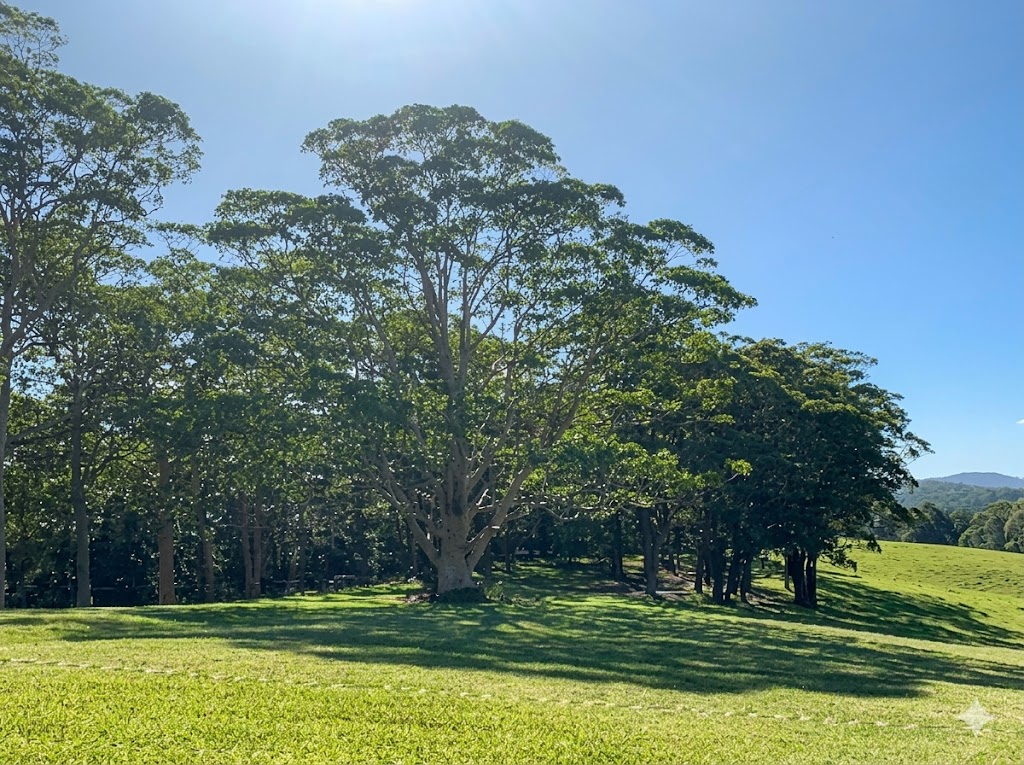
Rural life ain’t all bush vistas and drinks on the verandah - exploring the trials and traumas of rural living
The Dream vs. Reality
Many of us daydream about a sea-change or tree-change—trading suburbia for a few scenic acres, a big veranda, and the sort of view that makes you feel like you should own a wide-brimmed hat. You picture yourself sipping a cold drink at sunset, listening to birds, and becoming the kind of person who says things like “this is paradise.” What could possibly go wrong?
Practical Challenges of Rural Living
Quite a lot, as it turns out. Life on the land comes with a steep learning curve and several systems you used to take for granted. Water often comes from rainwater tanks, which means you suddenly develop strong opinions about gutters, leaf litter, and the swimming ability of local wildlife. Waste disposal usually relies on a septic tank, which also requires regular attention if you’d prefer your country breeze not to smell like a very bad decision.
Wildlife Encounters: Snakes
Seeing a diamond python for the first time is an excellent way to discover just how fast you can move backwards. They are large, impressive, and capable of making you question your property choices, with some growing up to four metres long. They are not venomous, but they can still bite, and their preferred menu—rats and mice—are often available around rural homes, especially in roof spaces. This means your ceiling may occasionally sound less like insulation and more like a nature documentary.
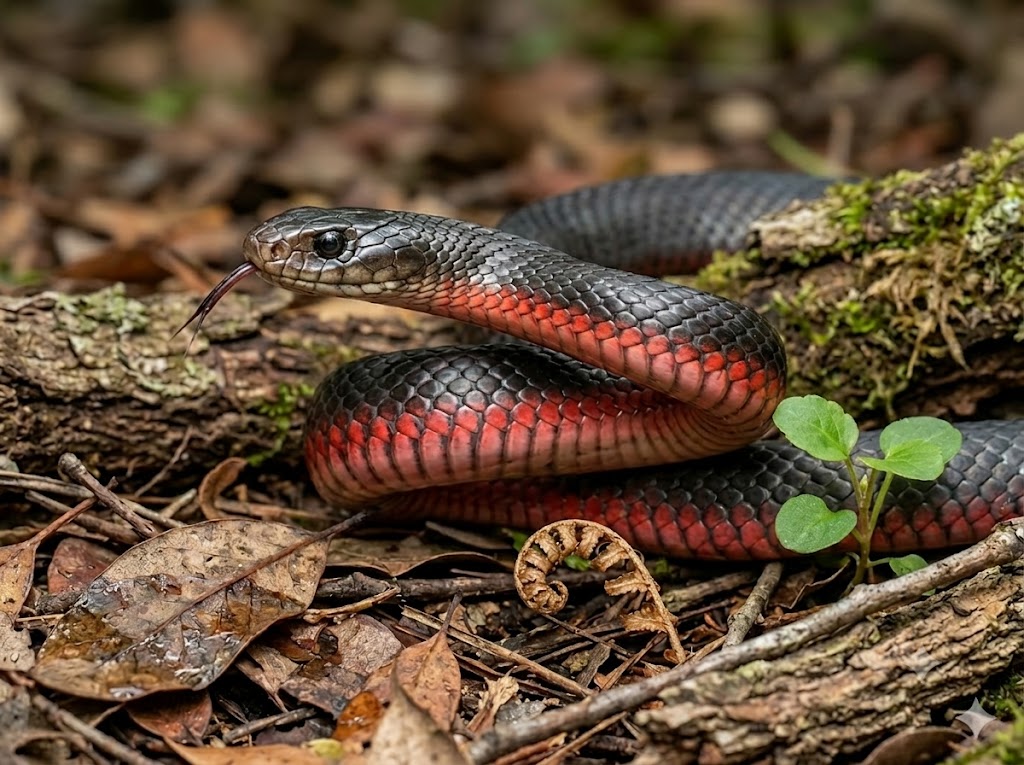 You may also encounter red-bellied black snakes and highly dangerous brown snakes, both of which prefer dark, enclosed spaces such as under the house—because apparently your stress levels were still too low. The best approach is simple: keep your distance, close the screen doors, and call a snake catcher if one comes indoors. If you are bitten by a snake, do not panic. Stay where you are, call 000, and immobilise the limb with a bandage and splint. Also, carry your phone whenever you’re outside, because rural life has a habit of turning ordinary afternoons into emergency planning exercises.
Spiders and Other Insects
Spiders may be less dramatic than snakes, but they are still committed to keeping you alert. Walking face-first into a web first thing in the morning is a deeply unpleasant way to start the day. Huntsman spiders are common indoors and seem to grow in proportion to how many guests you have over. Outside, redback spiders love crevices, so gloves are a very good idea when handling bins or poking around anywhere that looks even slightly suspicious. 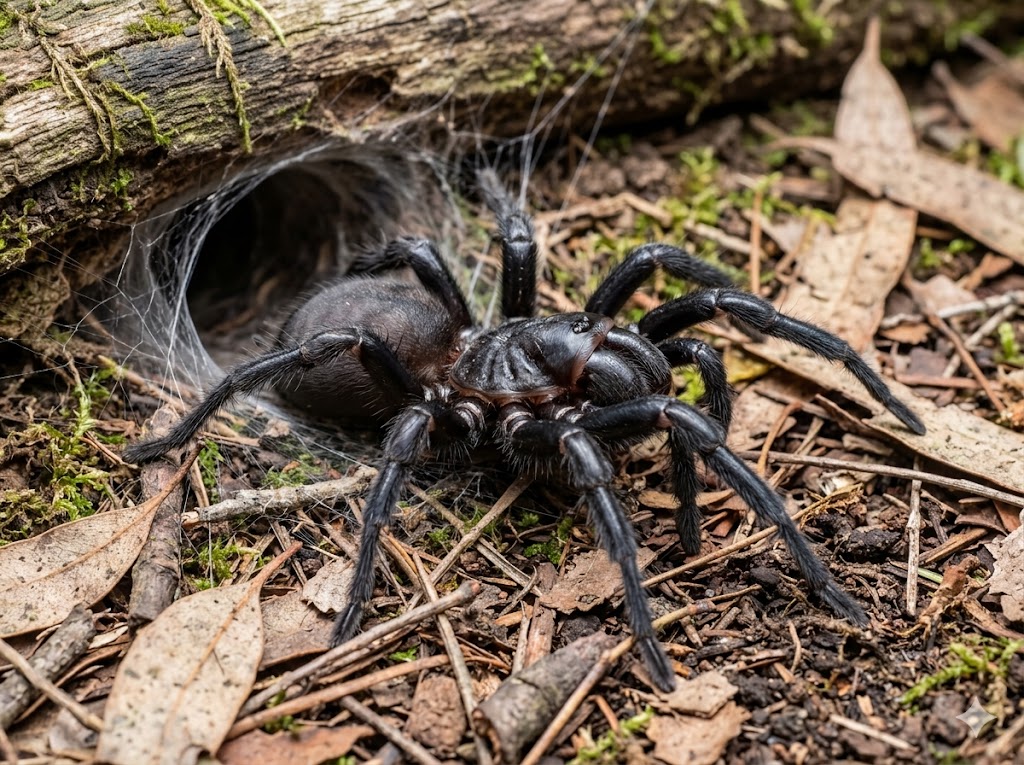
Funnel web spiders are particularly dangerous, which is not the sort of title anyone wants to win. If you find one, taking a photo for identification can help, and if bitten, ring 000 immediately. These spiders can be donated to reptile parks for anti-venom production, which is admirable in theory and utterly terrifying in practice.
Other Pests and Hazards
Then there are the other pests: not headline-grabbing, perhaps, but still more than capable of ruining an otherwise lovely afternoon. Ants do some useful housekeeping and help control other pests, but certain species-such as Jumping Jacks-approach life with unnecessary aggression. Their bites are spectacularly painful and can leave swelling and itching for days. Antihistamines may help, but dramatic complaining will remain an important part of the recovery process.
Leeches are a special kind of rural insult, especially after rain. They find their way into boots and clothing with the determination of tiny, disgusting overachievers, and removing them often leads to bleeding and itching that goes on far longer than seems reasonable. Salt and strong insect repellent may help, although leeches are not known for respecting personal boundaries. Chickens will eat them, but chickens also come with housing, maintenance, and the constant need to outsmart predators. So, wet weather can make the outdoors feel less like a lifestyle choice and more like an endurance event.
Managing Livestock and Garden
Fresh eggs are one of country life’s great rewards, particularly when you crack open a double yolker and feel like you’ve won a small prize. To keep chickens safe, you’ll need a secure pen with wire overhead and the sides buried at least 20cm underground, because foxes are athletic, determined, and utterly shameless. They can climb, dig, and wipe out a flock with horrifying efficiency. Wedge-tailed eagles and hawks are also keen observers, so if the birds start carrying on, it’s time to move faster than usual.
 Wallabies may look delightful as they bounce gracefully across your property, right up until they treat your newly planted garden like an all-you-can-eat buffet. Fencing is really the only reliable protection. Hunting for wallaby-resistant plants is a bit like searching for vegetables children enthusiastically request-it sounds promising, but reality is less cooperative.
Water Features and Wildlife
Pools have a magical ability to attract water-loving wildlife, especially ducks, who do not care in the slightest about your maintenance schedule. Pool fences won’t stop them, and because ducks are protected, eliminating them is not an option. A dog can help discourage repeat visits, but this does mean you may find yourself opening the back door at dawn to mediate yet another feathery standoff.
If you have a pool, always check the skimmer box before reaching in. It may contain leaves, or it may contain a funnel web spider, a snake, or a drowned bandicoot—because rural living likes to keep things unpredictable. Installing an exit ramp in the pool for wildlife is a smart move. It can save animals and spare you from beginning the day with a task no one wants on their to-do list.
Equipment and Maintenance
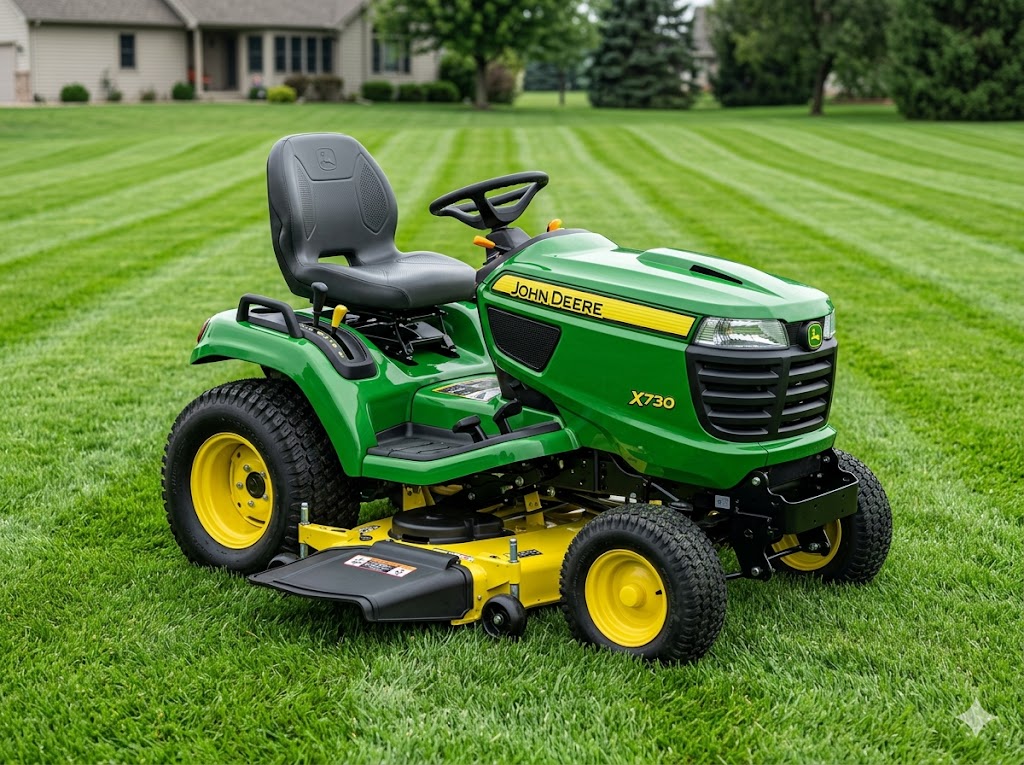 Despite all this, most rural residents eventually fall in love with one glorious machine: the ride-on mower. A decent one will set you back at least $10,000, and a tough whipper snipper is equally essential. Choose durable equipment, because hidden rocks and branches will appear exactly where you least want them, usually at speed. Repairs are inevitable, so a good local service shop is worth its weight in gold. Maintaining your property is hard work, especially when the grass grows like it has a personal grudge, but turning a rough paddock into something resembling a golf course is deeply satisfying. Just check the fuel before heading to the lower paddock, unless you enjoy long uphill walks.
Weekend Rewards
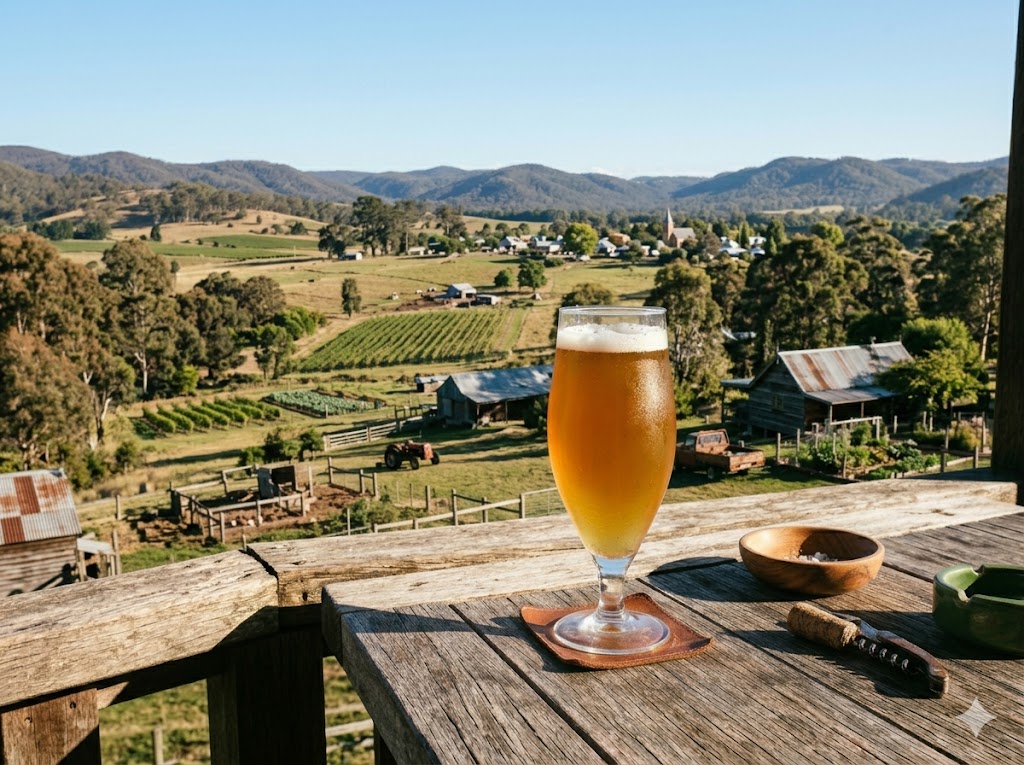 By the end of a busy weekend, you’ve usually gained a few new practical skills, several cautionary tales, and a stronger relationship with your local community page. Then, finally, you can sit on the deck with a cold drink and admire the view you worked so hard to keep alive. And with five days at the office ahead, you’ll soon be looking forward to doing it all again—because apparently this now counts as relaxing.